Viresta Insect Experts logoViresta Insect Experts
Fast, upfront pest control services in Kansas, MO, free quote in minutes

Pest Control Services Kansas

Securing targeted pest control services Kansas homeowners rely on requires an entomological evaluation rather than indiscriminate pesticide applications. Urban and suburban structures near the Missouri River basin face localized environmental pressures that drive subterranean termites, German cockroaches, and commensal rodents indoors.

Get your free pest control services quote, Kansas

We only use your ZIP to check availability, no spam.

Subterranean Termite TreatmentBed Bug Thermal RemediationTargeted Cockroach Remediation
Pest Control Services in Kansas, MO
Pest Control Servicesin Kansas, MO

What is Pest Control Services in Kansas, MO?

A professional pest control services company in Kansas is an entomological remediation service that diagnoses insect life cycles, applies targeted structural barriers, and eliminates active infestations across residential and commercial properties.

Why Kansas homeowners choose Viresta Insect Experts

  • Targeted structural treatments begin with an exhaustive diagnostic inspection that pinpoints insect harborage, nesting cavities, moisture anomalies, and structural ingress corridors.
  • Subterranean termite management utilizes liquid non-repellent termiticide barriers along foundation footings, averaging $850 to $2,400 based on calculated perimeter linear footage.
  • Bed bug thermal remediation protocols raise interior target areas to 122°F to 135°F, neutralizing all life stages including heat-resistant egg clusters in a single day.
  • Integrated rodent exclusion couples tamper-resistant exterior bait stations with physical 0.25-inch galvanized steel mesh structural sealing across foundation weep holes and soffits.
Subterranean Termite Treatment
Bed Bug Thermal Remediation
Targeted Cockroach Remediation
Our Expertise

Pest Control Services services in Kansas

Every service reflects the same meticulous attention to detail, whether it's a single job or a larger pest control services project across Kansas.
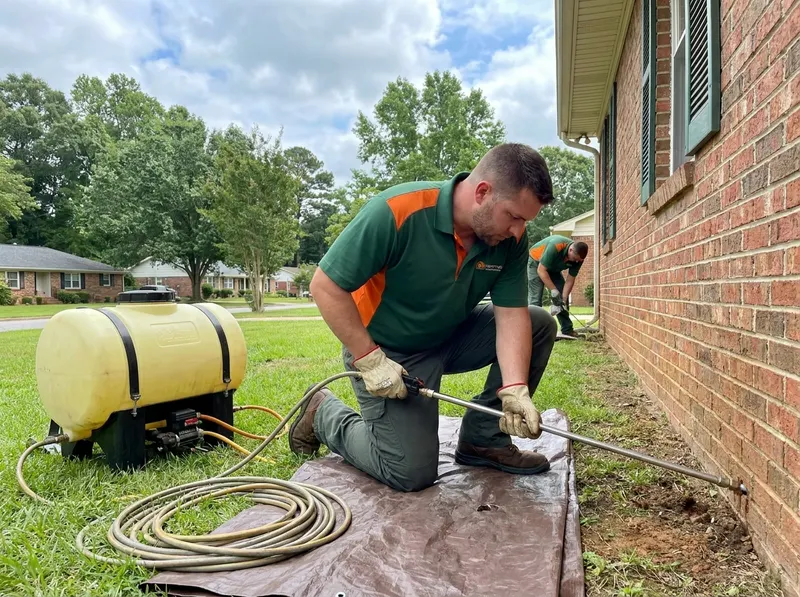
Subterranean Termite Treatment in Kansas, MO

Subterranean Termite Treatment

Subterranean termites (Reticulitermes flavipes) cause severe structural timber damage across Jackson County by moving through moisture-retaining foundation cracks. Treatment protocols utilize continuous non-repellent termiticides injected via horizontal sub-slab drilling and perimeter trench-and-rod applications. Foraging workers unknowingly cross through the chemical barrier, carrying the active agent back to subterranean chambers where mutual grooming transfers the toxicant throughout the colony. Technicians measure perimeter linear footage, core-drill adjacent concrete patios at 12-inch intervals, and inject liquid barriers at an application volume of four gallons per ten linear feet, creating an impenetrable lethal zone that protects sill plates, rim joists, and subfloors.

Get a quote →
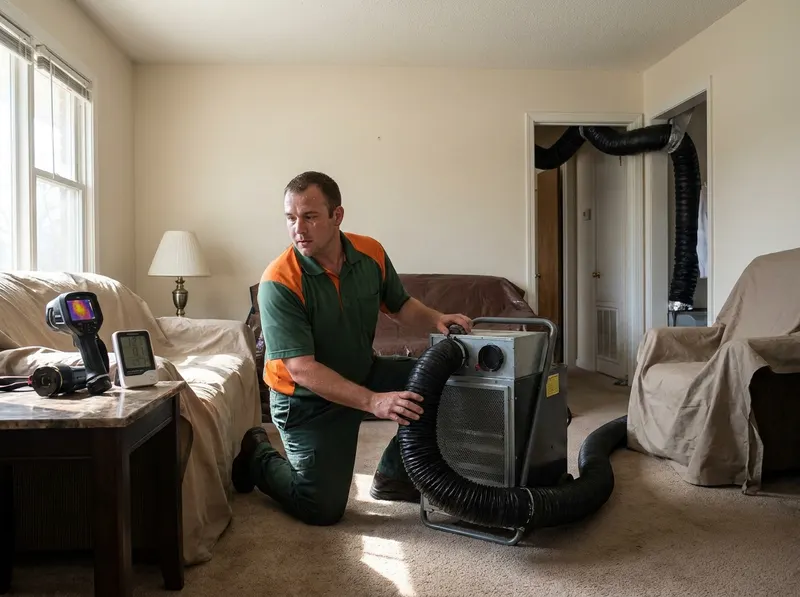
Bed Bug Thermal Remediation in Kansas, MO

Bed Bug Thermal Remediation

Bed bug (Cimex lectularius) infestations cannot be reliably resolved with surface retail sprays due to high resistance to synthetic pyrethroids. Thermal remediation deploys electric and indirect-fired convection heaters alongside industrial air movers to elevate interior room temperatures to a sustained range between 122°F and 135°F. This thermal threshold denatures essential cellular proteins in adult bed bugs, emerging nymphs, and sheltered egg masses hiding deep within mattress seams, hollow headboards, electrical junction boxes, and perimeter baseboards. Real-time temperature sensors monitor heat saturation in real-time, eliminating the need to discard expensive furniture while delivering complete structural eradication within a single 8-hour service visit.

Get a quote →
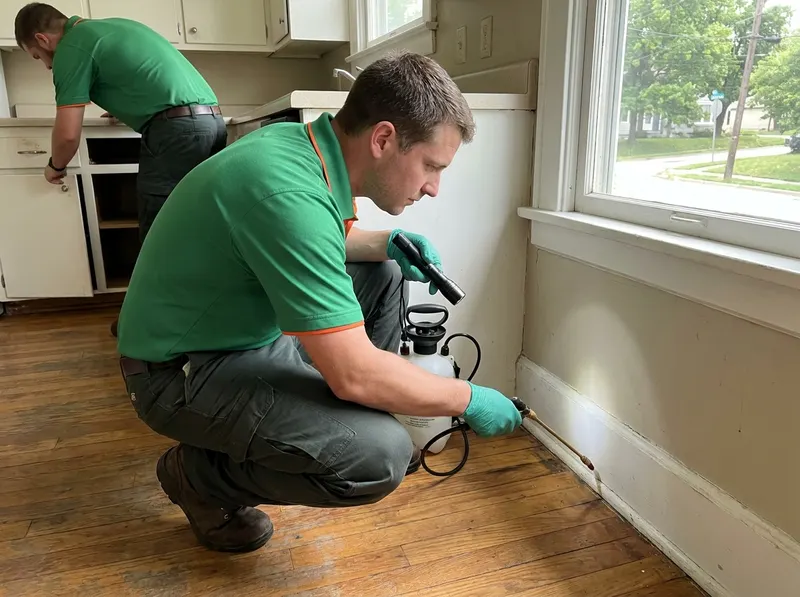
Targeted Cockroach Remediation in Kansas, MO

Targeted Cockroach Remediation

German cockroaches (Blattella germanica) reproduce rapidly in high-humidity zones like commercial kitchens, bathrooms, and refrigerator motor housings. Remediation eliminates broad chemical broadcast sprays in favor of targeted abamectin and indoxacarb bait matrices paired with juvenile insect growth regulators (IGRs). Technicians systematically treat unsealed cabinet hinges, void gaps beneath dishwashers, and pipe collars through crack-and-crevice tip micro-applications. The bait matrix utilizes the cockroach's natural aggregating behaviors, causing foraging adults to ingest the compound and spread lethal doses to sheltered instars within inaccessible wall voids, collapsing the reproductive index within 21 to 28 days.

Get a quote →
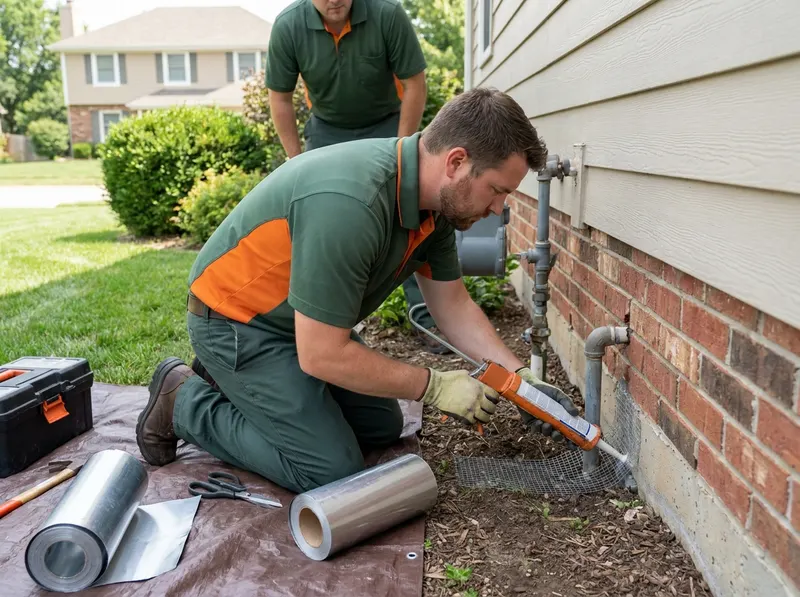
Commensal Rodent Exclusion in Kansas, MO

Commensal Rodent Exclusion

Norway rats and house mice exploit structural openings as narrow as 0.25 inches to access residential pantries, crawlspaces, and drop ceilings. Rodent control involves rigorous structural defense utilizing heavy-gauge galvanized hardware cloth, copper wire mesh, silicone elastomeric sealants, and metal flashing to seal foundation weep holes, architectural louvers, crawlspace vents, and plumbing penetrations. Once exterior ingress corridors are mechanically sealed, interior trapping grids utilizing professional snap-traps and collection runs clear remaining specimens without relying on indoor rodenticide poisons, preventing foul odors and toxic hazards to household domestic animals.

Get a quote →
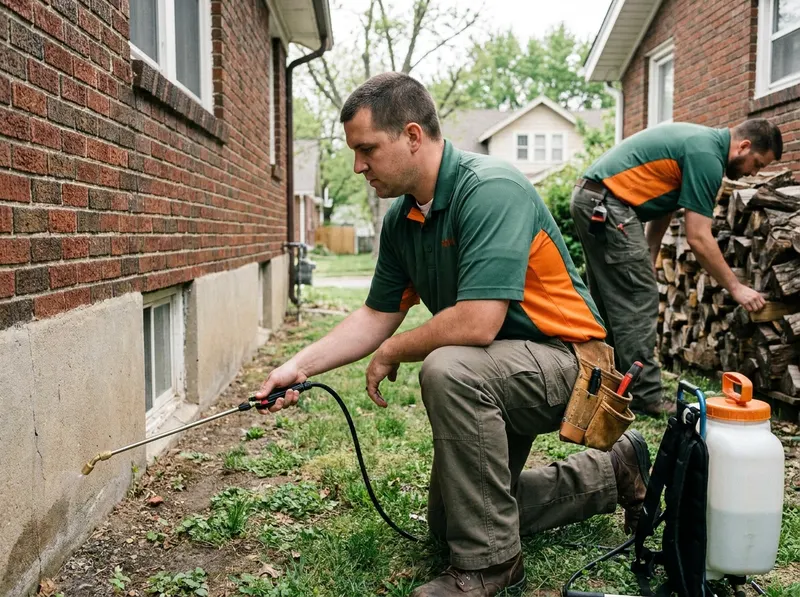
Brown Recluse Spider Control in Kansas, MO

Brown Recluse Spider Control

Brown recluse spiders (Loxosceles reclusa) naturally thrive in the dry, undisturbed environments of older Midwestern attics, crawlspaces, and wall cavities. Because brown recluse spiders are hunting arachnids with elevated leg postures that avoid contact with traditional floor sprays, eradication protocols demand micro-fine amorphous silica dust injection into unfinished attic floor joists and wall voids. Technicians install extensive insect glue boards along perimeter baseboards, under beds, and behind storage boxes to monitor population movement, while reducing exterior harborage such as firewood piles, cardboard storage units, and overgrown perimeter vegetation.

Get a quote →
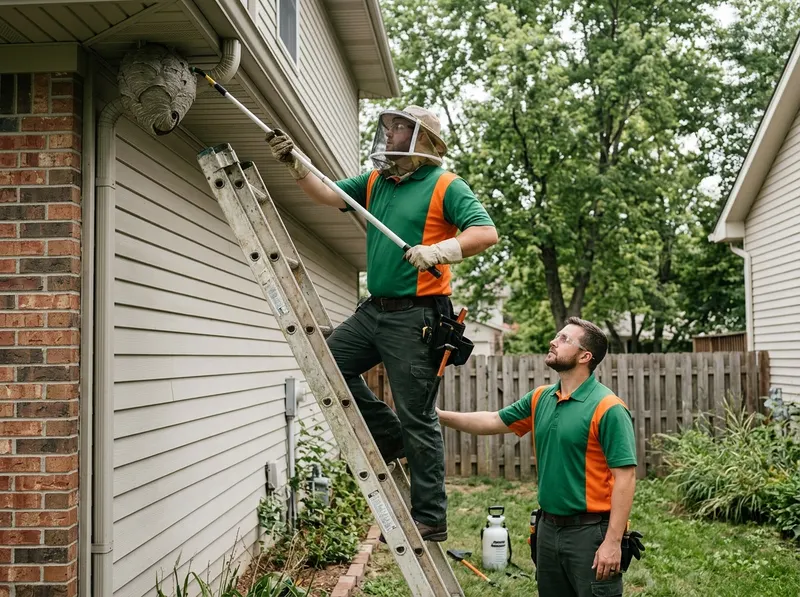
Stinging Insect Nest Removal in Kansas, MO

Stinging Insect Nest Removal

Aerial yellowjackets, paper wasps (Polistes), and baldfaced hornets construct nests beneath residential eaves, porch ceilings, window headers, and inside subterranean soil voids, presenting stinging hazards to residents. Technicians apply pressurized freezing formulations or micro-encapsulated knock-down aerosols directly to nest entry apertures during early morning or late dusk when foraging workers are concentrated inside. After neutralizing defensive adult populations, technicians mechanically scrape, remove, and bag the paper comb structures, applying a residual repelling wash to the anchor substrate to halt future pheromone-driven rebuilding attempts.

Get a quote →
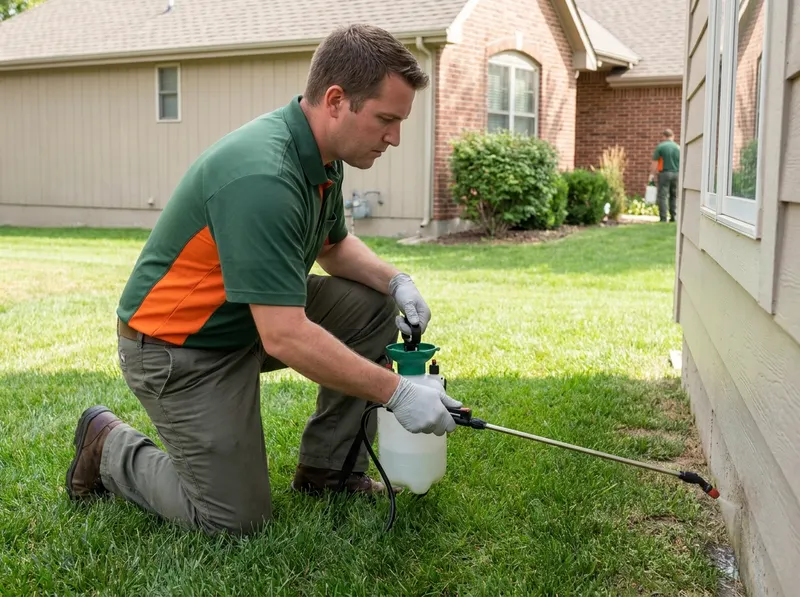
Perimeter Barrier Defense in Kansas, MO

Perimeter Barrier Defense

Preventive exterior barriers halt foraging odorous house ants, centipedes, field crickets, and silverfish before they penetrate structural envelopes. Service consists of a three-foot vertical foundation wash coupled with a five-foot horizontal ground band applied using micro-encapsulated water-based suspensions. Technicians treat moisture migration paths, threshold transitions, foundation expansion seams, and window wells. This exterior barrier withstands Jackson County weather patterns, remaining active for up to 90 days to eliminate crawling arthropods without requiring chemical applications inside living spaces.

Get a quote →
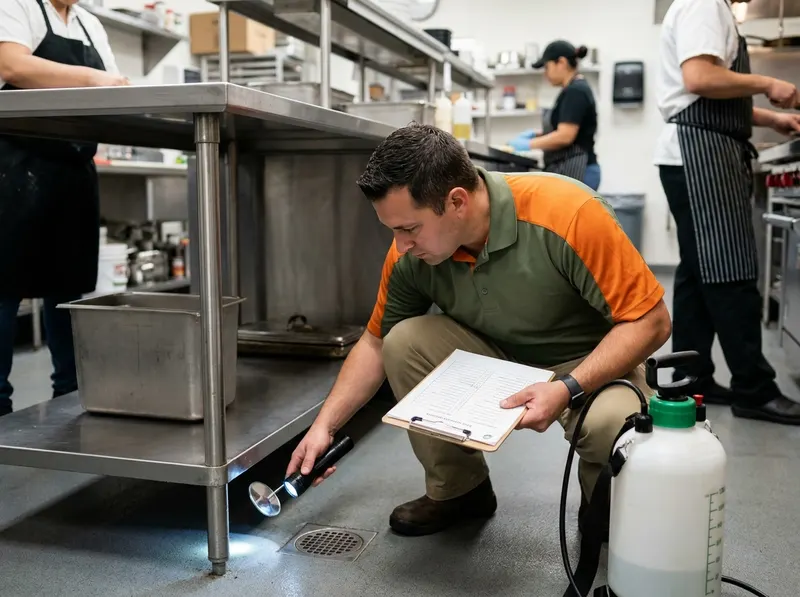
Commercial Kitchen Sanitation Audits and Pest Defense in Kansas, MO

Commercial Kitchen Sanitation Audits and Pest Defense

Commercial restaurants, culinary spaces, and food-processing plants require precise compliance with Jackson County health department guidelines and Missouri commercial sanitation codes. Technicians treat floor drains using specialized enzymatic bio-foams that digest organic grease layers where drain flies (Psychodidae) and phorid flies breed. Service protocols incorporate insect light traps (ILTs) positioned away from food preparation lines, precision non-volatile gel baits in motor compartments, and thorough structural gap inspection around delivery loading docks, creating an unyielding defense against sanitation audit penalties.

Get a quote →
The essentials

What Kansas customers should know

  • Targeted structural treatments begin with an exhaustive diagnostic inspection that pinpoints insect harborage, nesting cavities, moisture anomalies, and structural ingress corridors.
  • Subterranean termite management utilizes liquid non-repellent termiticide barriers along foundation footings, averaging $850 to $2,400 based on calculated perimeter linear footage.
  • Bed bug thermal remediation protocols raise interior target areas to 122°F to 135°F, neutralizing all life stages including heat-resistant egg clusters in a single day.
  • Integrated rodent exclusion couples tamper-resistant exterior bait stations with physical 0.25-inch galvanized steel mesh structural sealing across foundation weep holes and soffits.
  • Remediation protocols utilize EPA-registered formulations strategically placed inside wall voids, pipe chases, and sub-slab conduits, preserving human and companion animal safety.
The Viresta Insect Experts standard

Why Kansas keeps calling us back

01

A clear, written price

You get a firm, itemized quote for your pest control services before any work begins, no surprises, no pressure.

02

Your property, protected

Careful prep, tidy work, and a full cleanup when we are done. We treat your home and belongings like our own.

03

One crew, start to finish

The same trusted, background-checked team from the first call to the final check.

Buyer's guide

Choosing the right pest control services pro in Kansas

Selecting appropriate pest remediation depends directly on species biology, structural architecture, and colonization severity. If an active infestation involves subterranean termites damaging structural sills or joists, choose trench-and-rod liquid non-repellent termiticide treatments; if the goal is preventive perimeter defense without soil excavation around established ornamental landscaping, select exterior bait monitoring systems. The trade-off is immediate lethal protection along the subterranean foundation wall versus lower upfront physical disruption with gradual, seasonal colony suppression.

If dealing with nocturnal bed bugs inside residential bedrooms, choose whole-room structural heat treatments over repetitive synthetic chemical spray cycles; thermal remediation achieves total mortality across eggs, nymphs, and adults within an 8-hour exposure window, whereas chemical applications require three to four separate visits and thorough laundering of clothing, drapes, and linens. If commensal rodents have colonized attic insulation or crawlspaces, select permanent mechanical exclusion combined with snap-trapping lines rather than loose rodenticide baiting. The trade-off involves higher upfront labor costs to seal masonry fractures, crawlspace louvers, and roofline soffit gaps, but mechanical closure permanently stops interior carcass decay, foul odor emissions, and secondary dermestid beetle infestations.

When managing German cockroach populations inside multifamily kitchens, choose targeted micro-gel baits coupled with insect growth regulators rather than total-release foggers. Foggers disperse repellent pyrethroids that drive nymphs into adjoining rooms, while non-repellent baits leverage horizontal transfer through coprophagy and necrophagy to collapse the nesting harborage completely.

Investment

Pest Control Services cost in Kansas

Every project gets a firm, written price after a free on-site visit. Ranges below for orientation.

Initial Comprehensive Pest Diagnostics & Barrier Treatment$250 - $450
Quarterly Perimeter Maintenance Protocol$250 - $375 per quarter
Subterranean Termite Barrier Injection (per linear foot calculations)$850 - $2,400
Termite Baiting System Installation & Annual Monitoring$1,100 - $1,800
Structural Whole-Structure Bed Bug Heat Treatment$1,200 - $3,200
Bed Bug Multi-Room Targeted Chemical Protocol$750 - $1,650
Complete Rodent Exclusion & Cleanout Protocol$450 - $1,600
Targeted German Cockroach Cleanout Series (2-3 Visits)$350 - $750
Stinging Insect Aerial or Void Nest Removal$250 - $450
Brown Recluse Void Dusting & Attic Remediation$400 - $850
Carpenter Ant Void Foam & Barrier Treatment$350 - $800
Commercial Kitchen Drain Foam & Sanitation Protocol$300 - $650
Free, no-pressure estimate

Get it done right

Tell us about your pest control services job and we'll send a clear, written quote, usually the same day. Or just call and talk to a real Kansas pro.

(816) 451-8652
Get your free pest control services quote, Kansas

We only use your ZIP to check availability, no spam.

Where we work

Areas we serve near Kansas

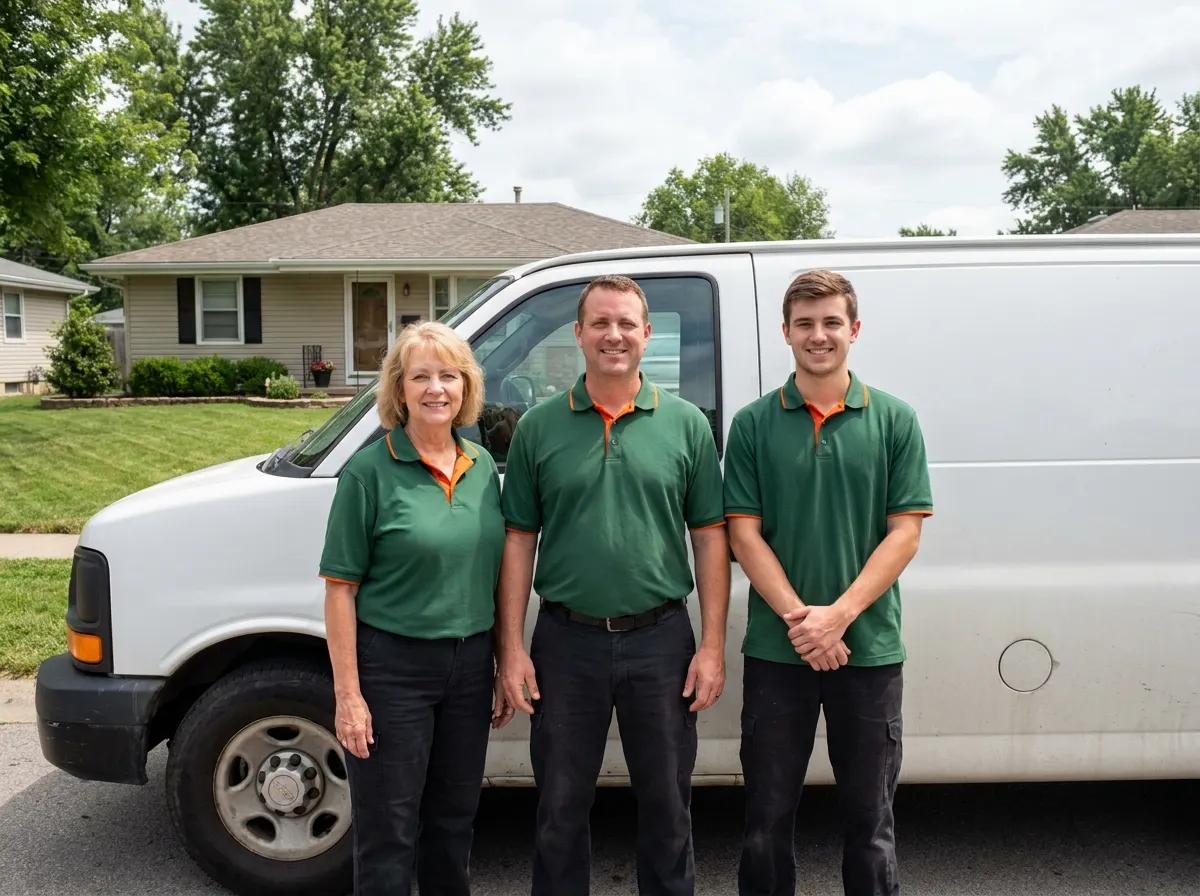
Viresta Insect Experts pest control services team in Kansas, MO

Kansas City sits at the confluence of the Kansas and Missouri rivers, where native heavy clay soils undergo severe shrink-swell cycles throughout wet springs and dry summer spells. This ground movement stresses stone, brick, and poured concrete foundations, producing micro-fissures in historic fieldstone basements throughout Hyde Park, Coleman Highlands, and Pendleton Heights. These subterranean structural fractures provide direct ingress paths for Reticulitermes flavipes termites, which construct mud tubes over rough limestone footings to attack soft timber sills. Simultaneously, the exposed limestone bluffs and forested gullies surrounding Penn Valley Park and Loose Park harbor dense colonies of brown recluse spiders and white-footed mice. When seasonal temperatures drop in late autumn across Jackson County, these pests migrate inward along utility trenches and foundation weep holes. Summer weather along the river valley brings sustained humidity and high temperatures that accelerate the metabolic and reproductive rates of German cockroaches and subterranean yellowjackets. Remediating these pest pressures requires concrete entomological protocols tailored to local architecture, such as specialized non-repellent barrier injections through historic stone footings along the Country Club Plaza corridor and mechanical crawlspace venting modifications in classic Brookside and Waldo bungalows, rather than superficial over-the-counter chemical applications.

River MarketWestportBrooksideWaldoHyde ParkPendleton HeightsCountry Club PlazaColeman HighlandsCrossroads Arts DistrictValentineVolkerSouthmorelandArmor HillsSunset HillColumbus Park
Questions

Common questions

How much do pest control services cost in Kansas?
Professional pest control services carry an initial diagnostic and perimeter application fee ranging from $250 to $450, while targeted remedial programs vary by structural scale. Extensive termite barrier injections or whole-home thermal bed bug treatments range from $850 to $3,200 based on square footage, linear perimeter dimensions, and colonization severity across Jackson County properties.
Are targeted insect treatments safe for indoor pets and children in Kansas residences?
Remediation protocols protect household members and pets by avoiding broad-spectrum chemical sprays in open living areas. Technicians utilize EPA-registered micro-encapsulated formulations applied directly into concealed baseboard voids, pipe recesses, and tamper-resistant exterior bait stations. Indoor spaces are ready for normal occupancy immediately following targeted crack-and-crevice placements, or after a standard four-hour drying window if localized floor treatments are required.
Why do over-the-counter pest sprays frequently fail in older Kansas properties?
Retail aerosol sprays contain repellent pyrethroids that trigger panic dispersal among insect populations, scattering them deeper into wall voids and subfloors rather than neutralizing the breeding source. Species like German cockroaches and brown recluse spiders quickly develop behavioral avoidance to treated surfaces. Professional protocols use non-repellent active agents, insect growth regulators, and desiccant dusts that insects walk over without detection, transferring the lethal compound directly into the core colony.
Are property owners forced into mandatory monthly contracts for pest control services in Kansas?
Contractual subscriptions are never mandatory for resolving targeted pest infestations. Acute pest problems such as active wasp nests, localized bed bug populations, or rodent intrusions are remediated through definitive single-event or phased cleanout protocols. Homeowners can select optional quarterly exterior perimeter defense plans to maintain an active barrier against seasonal pests without being locked into inflexible binding agreements.
How quickly can severe termite or bed bug emergencies be addressed in Kansas?
On-site diagnostic evaluations are scheduled rapidly by calling (816) 451-8652, with technical inspection teams deployed across Jackson County within 24 to 48 hours. Rapid deployment is critical during the spring termite swarm season between late March and May, as well as during severe bed bug discoveries, allowing technicians to map infestation boundaries and initiate remediation immediately.
How does thermal bed bug remediation compare to chemical treatments in Kansas homes?
Thermal bed bug remediation elevates ambient structural temperatures to 122°F to 135°F for several hours, eliminating all life stages, including heat-resistant eggs, in a single service appointment. Chemical protocols require two to four separate visits spaced across several weeks to treat freshly hatched nymphs, necessitating intensive customer preparation such as bagging clothing and sealing bedding. Thermal protocols offer faster, complete eradication with lower chemical exposure inside living spaces.
What specific structural repairs are included in rodent exclusion services in Kansas?
Rodent exclusion focuses on physical mechanical barrier installation rather than relying solely on chemical baits. Technicians install 0.25-inch galvanized steel hardware cloth across open crawlspace vents, seal roofline soffit gaps with metal flashing, and pack foundation pipe penetrations with rust-proof copper mesh bonded with polyurethane foam. Sealing these ingress points permanently stops Norway rats and house mice from re-entering the structure.
Why are brown recluse spiders so prevalent throughout homes in Kansas?
The Kansas City region lies directly within the natural geographic native range of Loxosceles reclusa. Brown recluse spiders thrive in undisturbed, low-humidity spaces like historic lath-and-plaster wall voids, unfinished basements, and cedar-shake attics found in older neighborhoods like Westport and Brookside. Because these hunting spiders do not crawl across exposed horizontal floors where surface residuals are applied, remediation requires specialized amorphous silica dust injection into structural wall voids combined with mechanical glue board monitoring lines.
What are the early visible indicators of subterranean termite activity in Kansas?
Subterranean termites construct earthen mud shelter tubes along foundation walls, basement support posts, and sill plates to protect their soft bodies from dehydration while traveling between soil moisture and wood framing. In spring, homeowners often detect swarms of winged reproductive alates near basement windows, along with discarded shed wings on sills. Advanced infestations produce hollow-sounding structural timbers, blistered wood finishes, and fine soil particles packed inside structural fractures.
How does weather and soil composition in Jackson County influence pest behavior?
Jackson County features heavy clay soils that shrink and pull away from foundations during hot dry spells, creating subterranean fissures that subterranean termites and ants use to reach footings. Heavy spring rainfall floods these underground networks, pushing rodents and subterranean insects into basements and crawlspaces. In late summer, hot temperatures accelerate insect metabolic cycles, causing pest populations to spike and driving them indoors in search of moisture.
What preparation steps must a homeowner take prior to interior cockroach remediation in Kansas?
Prior to targeted German cockroach treatments, homeowners clear kitchen countertops, empty lower sink cabinets, and clean grease residues from stove surfaces and refrigerator base trays. Removing alternative food and water sources compels cockroaches to feed directly on newly applied non-repellent gel bait matrices and insect growth regulators, ensuring rapid transfer throughout the nesting population.
Can Kansas commercial businesses receive emergency compliance pest remediation?
Commercial dining establishments, food preparation facilities, and warehousing operations across Jackson County can schedule rapid compliance audits and treatments. Technicians address regulatory sanitation notices by applying targeted drain bio-foams to remove fly breeding zones, placing monitored insect light traps, and installing rodent exclusion barriers to protect commercial facility health permits.

Get started today

Free estimates for Kansas & the surrounding area.

Helpful resources

Trusted references & local links

USA.gov, government & consumer helpBetter Business BureauFTC Consumer AdviceU.S. Small Business AdministrationReady.govU.S. EPAENERGY STARU.S. Dept. of EnergyConsumer.govU.S. Census BureauGoogle Maps, Kansas, MO

Kansas pest control services guides

How Much Does Quarterly Pest Control Services Cost in Kansas City?, Pricing Guide →What is the average cost for professional termite treatment in Kansas City?, Complete Guide →Can I get same-day emergency pest control services in Kansas City?, Complete Guide →Pest Control Services →